Movie Night Done Right: More Than Just Picking a Film
Movie night doesn't fail because you picked the wrong film. It fails in the twelve minutes of scrolling before — and the ninety seconds after.
Read more →
Sometime in the last few weeks you probably felt it: the urge to buy a notebook.
You don't need one. But the light has changed, the calendar has refilled, and some part of you that stopped going back to school years ago still believes the year begins about now. The internet calls it the "September reset," and it arrives with color-coded planners and a morning routine that starts at 5:30.
You are not going to get up at 5:30. The feeling underneath is real, though, and plenty of people share it. It won't make anything last. What it will do is make something unusually easy to begin. So if there's one small thing you've been meaning to start with your partner, whether that's a standing Saturday breakfast, a first-Sunday hike or a movie night with a real rotation, this is the month to start it.
In 2014, three researchers at the Wharton School went looking for the moments when people start things. They tracked Google searches for "diet," visits to a university gym, and sign-ups on a site where people commit to personal goals, and found the same shape in all three: people begin right after a landmark. A new week, a new month, a new year. In some of the data, a birthday, a holiday, a new semester. The researchers called it the fresh start effect. Their explanation is that a landmark draws a line across time. Everything you didn't manage gets filed under before, and the next attempt feels like it belongs to someone with a cleaner record.
We think September draws that kind of line for a lot of adults. A season turns this week, autumn for half the world and spring for the other half, and summer's loose schedule is firming back up. The paper only gets us partway there. At the one university gym it studied, the start of a semester brought the biggest jump of any landmark, bigger than New Year's. But those were undergraduates, fall and spring terms were counted together, and the authors themselves note that students may simply get busier as a term wears on.
If September draws no line for you, with no school run and no sense of a new term, borrow another. Landmarks are everywhere. As this goes up, the first of October is next week, and the first weekend of the new season is this one.
Two limits, both from the same paper. The effect is about starting: the boost arrives with the landmark and then fades. And nationwide, the biggest landmark by a distance was New Year's Day.
So why not wait for it? Because a tradition started now walks into January already fourteen weekends old. No study ranks the months, so "best" is our case, and it's a practical one. September's fresh start isn't crowded with every other promise you've made yourself. Your routines are being redrawn anyway. And December arrives as the first real test of something that already exists, rather than as the conditions you're trying to start under.
Writing about the small rituals that keep couples connected, we called transitions the place where rituals go to die: the new job, the move, and the Saturday coffee becomes every other Saturday, then a memory.
A study that followed students transferring to a new university shows why. Their habits of exercising, reading the paper and watching TV survived the move only when the context around them stayed the same. Change the surroundings and the habit lost its cue. The researchers noticed something else in the wreckage, too. In some cases, once a habit broke, people did what they currently intended to do. Behavior was back under conscious management.
A change of season is no change of city. But if your weeks really do change shape in September, with school runs, work picking up and the end of travel, we'd bet it's the same mechanism at lower volume. The default week is up for negotiation again, which makes it a good moment to put something new into it.
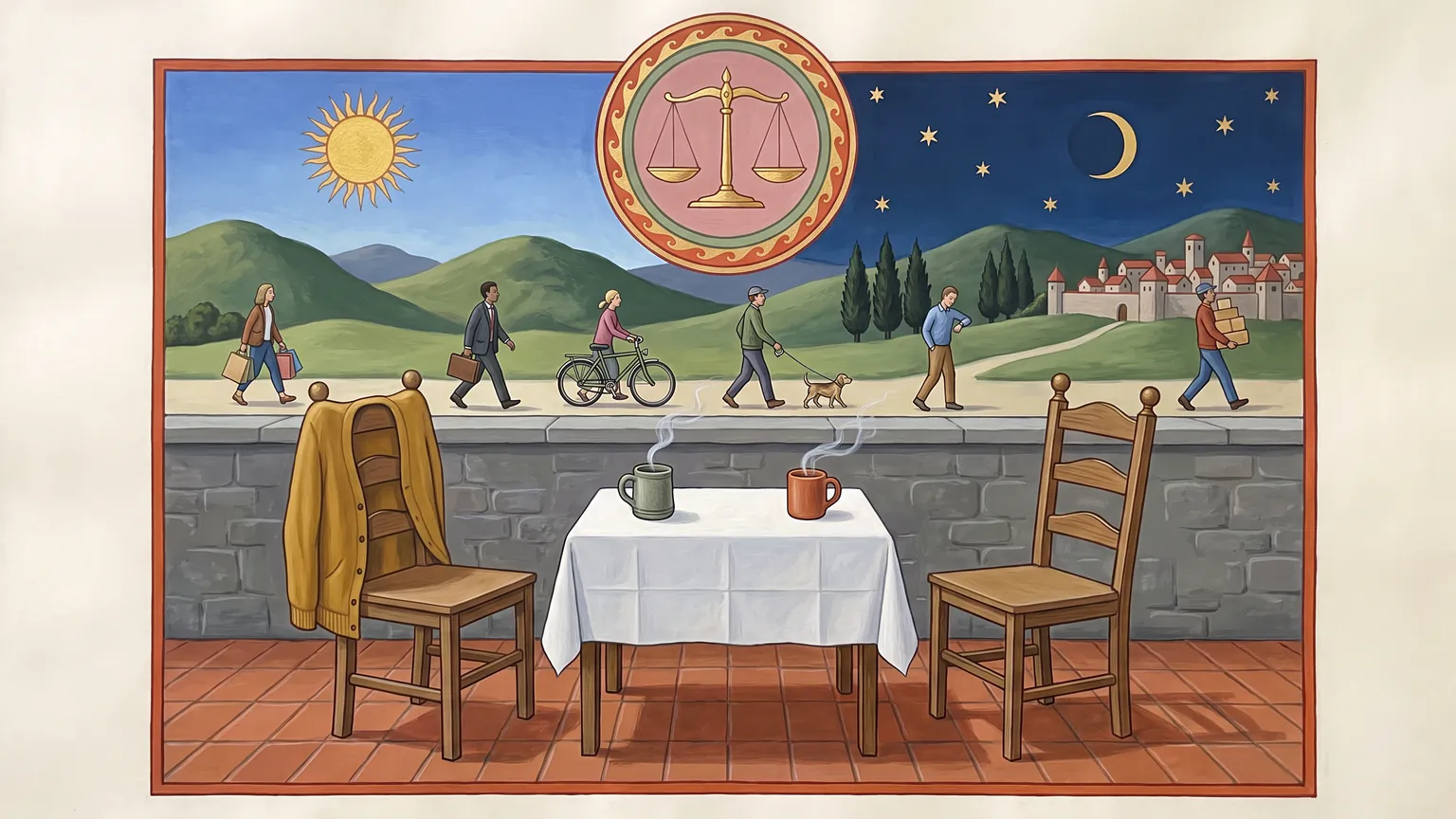
Here's what a fresh start won't do: keep the thing going. Nothing on the calendar can.
The usual fallback, just do it until it's a habit, won't carry it either. The best-known research on that comes from University College London, where 96 volunteers each picked one new behavior, did it daily, and were tracked for twelve weeks. How long it took to feel automatic ranged from 18 days to a projected 254.
Now look at the word daily. A weekly tradition started this weekend gets fourteen repetitions before New Year. That's fewer than the fastest person in that study took, and theirs came every day. Don't count on it running itself the way brushing your teeth does. Hold it up by design.
Make it small. Small enough that a bad week can't kill it. Breakfast, not brunch with a reservation.
Give it a slot. "Sometime this weekend" is where traditions go to be rescheduled. Saturday morning. The first Sunday of the month. A standing slot ends the weekly negotiation before it starts.
Take turns owning it. If one of you always plans it, it's their project and the other one's appointment. Alternate who's in charge and it belongs to both of you.
Choose it together. A ritual that one person declares is just a plan. It counts when you'd both notice it missing.
Pick the one you'll both enjoy, even if another would be better for you. In the one study we could find of a once-a-week activity, students attending weekly sports classes over a semester, how many times people had shown up didn't predict whether showing up felt automatic. How good they felt walking out did. It's a pattern across people and it guarantees nothing, but it's the best lead we have.
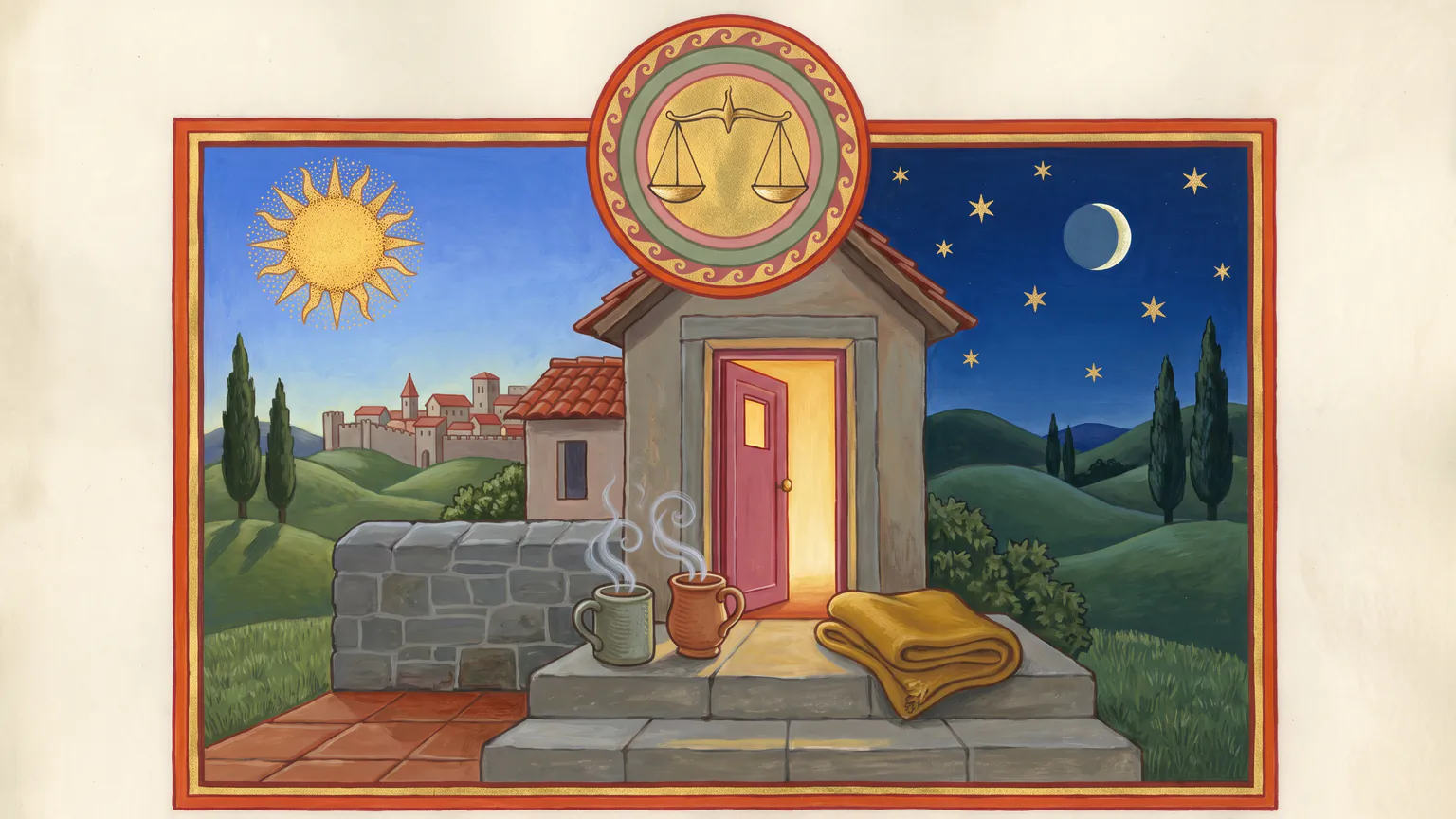
Then there's the weekend it falls apart, and one will. In the London study, skipping a single day didn't materially affect the process. The weekly-class study looked at longer gaps and found no clear penalty either, but it could only count the people who came back. That's the catch. A skipped weekend doesn't reset some counter. It's just how traditions end, one reasonable excuse at a time. So our advice: guard the first handful of weekends as if they were the whole project. When one collapses under travel, flu or relatives, do the ten-minute version. Coffee on the step. One episode, and the film can wait. Shrink it, don't skip it, and don't let one skip become two.
As this goes up, there are fourteen weekends left in the year. Weekly, that's fourteen chances. Every other week, seven. Monthly, four.
Nothing has to become anything by then. Treat it as a trial run with a decision built in: on New Year's Day the two of you get to look at something that has actually happened and decide whether it stays. That's a better conversation than the one most people have on the first of January, which is about things that haven't happened yet.
Decide now what the December version is: the small one, the one that fits between the travel and the relatives. Then the busiest month bends the tradition without breaking it.
Two of those five rules are bookkeeping: how often, and whose turn it is. If you'd rather not carry them in your heads, that's what Saturday Plans is for. Make an activity for your tradition and choose who goes first; then set its pace to Weekly, Bi-weekly or Monthly. The app alternates the turn, so neither of you becomes the default planner and nobody has to keep score. A shared calendar and an honest agreement will do the same job.
So: one small thing, one fixed slot, and decide tonight who plans the first one. The fresh start buys you one weekend. Spend it on the first of the fourteen, and let the design carry the rest.
Ready to plan your next weekend together?
Get Started
Movie night doesn't fail because you picked the wrong film. It fails in the twelve minutes of scrolling before — and the ninety seconds after.
Read more →
The best adventure this weekend might be the city you already live in. Five ways to be a tourist in your own town, together — no trip required.
Read more →
Summer date ideas sorted by what they cost: free, under $50, the rare splurge. Plus the one move that turns a saved list into a real Saturday.
Read more →